Dog Daily.
Pet Health Updated Today
★ Editor's Pick · Pet Health

I Spent $4,800 on Vet Visits for My Dog's Itching. Then I Found Something That Costs Less Than His Morning Walk.

After 11 months of scratching, prescription creams, and three different specialists, a 67-year-old veterinarian told me I'd been treating the wrong organ the entire time.

Dog scratching, before and after photo

Riley, 4, before and after 90 days of one daily soft chew. No prescription, no creams, no special bath routine. Photo by author.

Riley had been scratching for almost a year before I admitted I was lost. He'd start at 2am.

The thumping back paw against the hardwood floor would wake me up, then my partner, then the cat.

By month four, his belly was raw.

By month seven, my credit card had a four-digit balance from vet visits, prescription shampoos, and a specialist who confidently told me it was "just allergies, probably."

I'd tried everything the internet told me to try. Fish oil. Oat baths. A $90 elimination diet. A second specialist who recommended a third.

Every one of them helped a little, then stopped. I read that as proof that supplements do not work on this.

Then a friend's mom, a small-animal vet in upstate New York for 30+ years, asked me one question on the phone: "Have you looked at his gut?" I hadn't.

Nobody had. I'd been treating Riley's skin for almost a year and nobody had asked about the one organ that controls 70% of his immune system.

What she told me next reframed every receipt in that drawer. Helped-a-bit-then-stopped is not what failure looks like. A thing that does nothing does nothing from day one. It is what a partial repair looks like, and I had been buying one quarter of the job at a time, at full price. Here are the nine things I wish someone had told me eleven months and $4,800 ago.

The comparison

The 5 treatments every itchy dog ends up on — and what each one actually does

Most owners arrive at the fifth one having already paid for all four before it. Here they are side by side: what each one targets, and what it costs to keep using.

1

The allergy panel — intradermal or serum testing

Identifies what he reacts to. It is a test, not a treatment — nothing about his skin changes the day the results come back. You pay specialist prices to be told the name of the thing.

$200–$500, and it treats nothing

2

Apoquel — oclacitinib

Blocks the JAK pathway that carries the itch signal. It works, and it works fast. It also stops working the week you stop giving it — because the signal was never the cause. That is not a treatment, it is a subscription.

$60–$100 every month, forever

3

Cytopoint — lokivetmab

A monoclonal antibody that neutralises IL-31, the cytokine telling his brain he itches. One injection covers four to eight weeks. Then the appointment comes round again, and again, for the rest of his life.

$75–$150 per injection, every 6 weeks, for the rest of his life

4

Hill's Prescription Diet z/d — hydrolysed protein

Breaks the protein down small enough that his immune system stops recognising it. Genuinely useful — if food is the trigger. If it is pollen, dust mites or the lawn, you have changed his dinner and nothing else.

$90–$120 a month

5

Malaseb — chlorhexidine + miconazole shampoo

Clears the yeast and bacteria that move into skin he has already broken open. It treats the infection that followed the itch. It does not touch the itch. This is the rung where owners realise they are paying specialist prices for a rinse.

About $25 a bottle, repeated

Every one of the five works downstream

One tells you what he reacts to. Two silence the signal. One removes a trigger, if you guessed the right trigger. One cleans up the damage.

Not one of them touches the reason a trigger reaches his bloodstream at all — the gut lining that is supposed to keep it out, and no longer does. That is why the ladder bills at every rung and never ends. You can climb it for years without anyone standing at the bottom of it.

Currently #1

Bovine colostrum gut chews — the only one that works on the barrier

The one option on this page that targets the lining itself rather than the signal, the trigger, or the damage. Twelve weeks of it costs less than a sixth of a single $500 allergy panel — and unlike rungs two and three, it is not a subscription to the symptom. By week twelve you are not booking the next injection. You are not budgeting for the next refill. You will stop planning your month around a dog who cannot stop scratching, and start forgetting he ever did.

$74.97 for twelve weeks

Apoquel, Cytopoint, Hill's Prescription Diet and Malaseb are registered trademarks of their respective owners and are named here for comparison only.

REASON ONE · THE ROOT CAUSE

Itchy skin almost always starts in the gut

Gut lining cutaway: separated cells letting particles through on the left, sealed cells on the right

This is the one nobody told me for almost a year.

About 70% of a dog's immune system lives in the gut, and when the microbiome gets out of balance, the skin is usually where it shows up first.

Riley's diet was "premium" by every label I'd read.

But premium kibble is still kibble, dry and heat-extruded and eaten at every meal for a whole life, and a gut lining was never built to meet that.

So the bacteria that should have been keeping his skin response in check were starving, and the bacteria that produce inflammatory signals were thriving.

The dog's gut runs his skin. Not the other way around.— Dr. Sarah Chen, DVM
REASON TWO · WHY EACH ONE HELPED, THEN STOPPED

Getting a gut back in order is four jobs, not one

Four actives laid out in a row: colostrum powder, probiotic granules, fish-oil softgels and turmeric, with the soft chews behind

I bought three different tubs before I understood this. Each one was honest about what it did. None of them was doing more than one thing.

Put the good bacteria back. Rebuild the lining they live in. Bind what is still crossing while it heals. Calm the reaction already running.

Four jobs, and they are not interchangeable, because each one leaves the other three undone.

So each tub moved one number and then ran out of road, exactly on schedule.

9 of 10

over-the-counter dog itch products target symptoms, not the underlying gut imbalance.

REASON THREE · THE JOB NOBODY WAS DOING

The one job no tub on the shelf was doing

A bathroom shelf packed with half-used dog shampoos, sprays and supplement tubs

Repair. Every tub I owned was doing job one. Not one of them was rebuilding the lining those bacteria live in.

A probiotic does its job properly. Bacteria are what live in a gut, and they are not what a gut is made of, so no amount of them knits a loosened lining back together.

That is a different job, and it needs different material.

Bovine colostrum is the first milk a mother makes, and it carries the growth factors, IGF-1 and TGF-beta, that tell the cells of a gut lining to grow and knit the gaps shut. Those same growth factors are the one thing the probiotics and the prescriptions were never able to supply.

Want the four-job formula I gave Riley?

See the formula →

Currently 40% off · 30-day risk-free trial

REASON FOUR · SEASONAL TRUTH

Spring and fall aren't the only triggers

A wall calendar with spring and autumn weeks ringed in red pen

The vet who finally helped me said something I'd never heard: "If your dog itches year-round, it's not allergies, it's inflammation."

Seasonal pollen and grass make a dog who's already inflamed get worse. They don't create the problem on their own.

This is why some dogs scratch in February. Why some get hot spots in a snowstorm. The trigger is environmental, but the fuel is the gut.

REASON FIVE · THE OMEGA-3 PLATEAU

Why "more fish oil" stops working after week 3

An open bottle of fish oil beside a hand-drawn chart whose line rises then flattens

Fish oil was my first try. It worked for almost three weeks. Riley's coat looked better, the scratching dropped maybe 30%. Then it stalled.

Omega-3s calm the reaction that is already running, which is job four. They were never going to close the gaps letting food and pollen through in the first place.

So it helped, the way job four helps, and then it ran out of road like everything else.

Doing all four at once is what behaves differently.

I was pouring expensive fish oil into a leaky bucket. — Maya R., the author
REASON SIX · THE DELIVERY MATTERS

The pill-spit problem (and why chews actually win)

A small white tablet spat onto a kitchen tile beside a scrap of cheese

The best formula in the world doesn't work if your dog won't eat it. I tried capsules.

Riley would chew the peanut butter off and spit out the capsule on the rug like a kid with broccoli.

Soft chews in a flavor he genuinely wants? Different story.

The compliance rate, meaning the percentage of days you actually give it, is the hidden variable nobody mentions in supplement marketing.

A daily ritual your dog runs to is worth more than a formula on a shelf.

REAL REVIEWS FROM DOG PARENTS

4.3 ★★★★★ · 1,740 reviews · 97% would recommend

★★★★★

"He thinks they're treats. Comes running."

— Hannah W.

★★★★★

"Scratching almost gone in 6 weeks."

— Sarah M.

★★★★★

"Coat shines like he's a puppy again."

— Marcus T.

REASON SEVEN · WHAT HEALTHY LOOKS LIKE

What a healthy skin barrier actually looks like

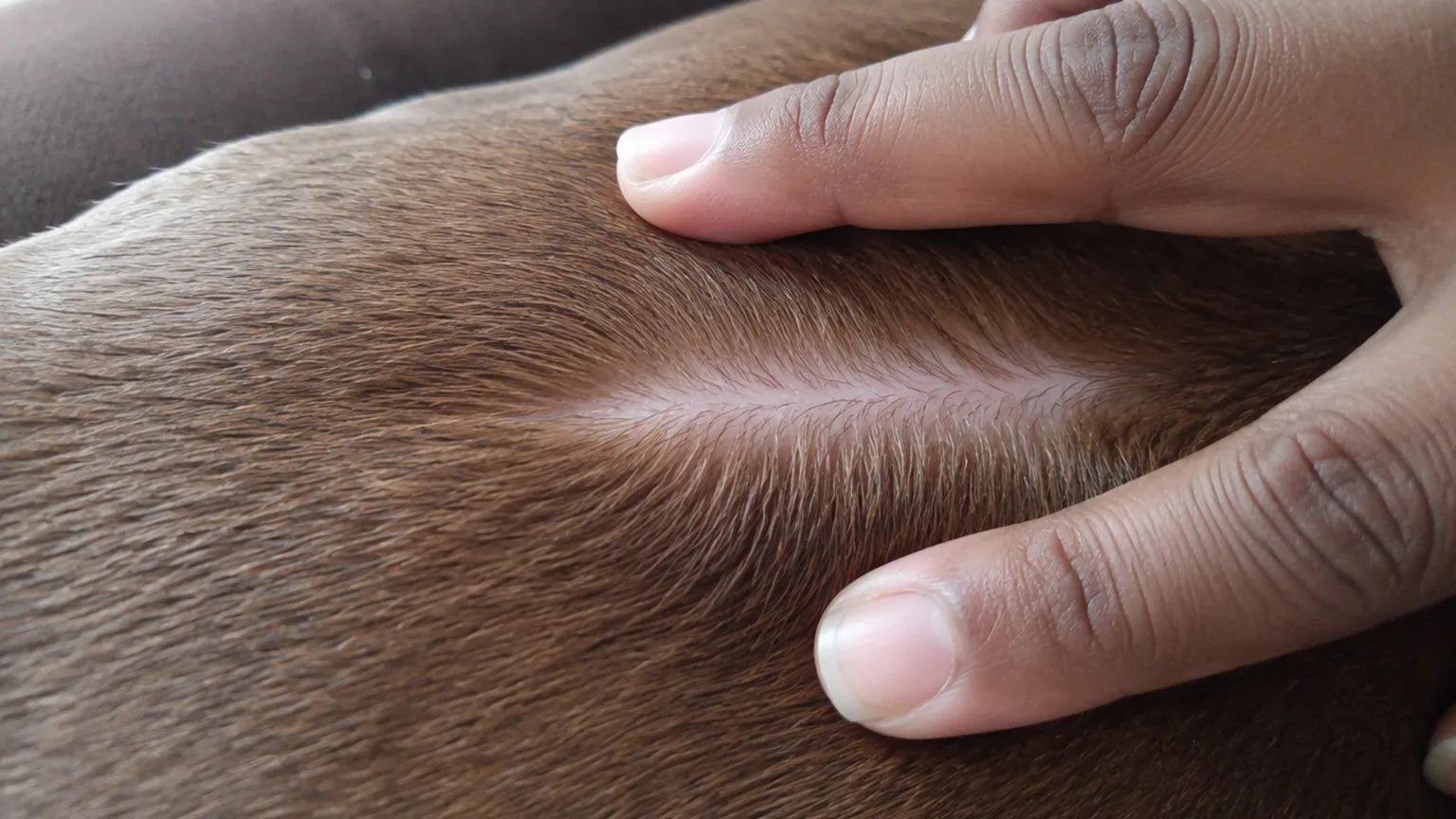
Fingers parting a dog's coat to show calm pale-pink skin underneath, with no flakes

I didn't know what I was comparing against, so I'd been calling Riley's coat "fine" for years. It wasn't.

A healthy dog's coat has a slight oil on it that catches the light. The skin underneath is pale pink, not pink-red.

There's no dander when you part the fur. He shouldn't shake his ears more than a handful of times a day.

He shouldn't lick his paws at all. Anything more than that is data.

REASON EIGHT · THE REAL TIMELINE

The 4 to 8 week timeline nobody tells you about

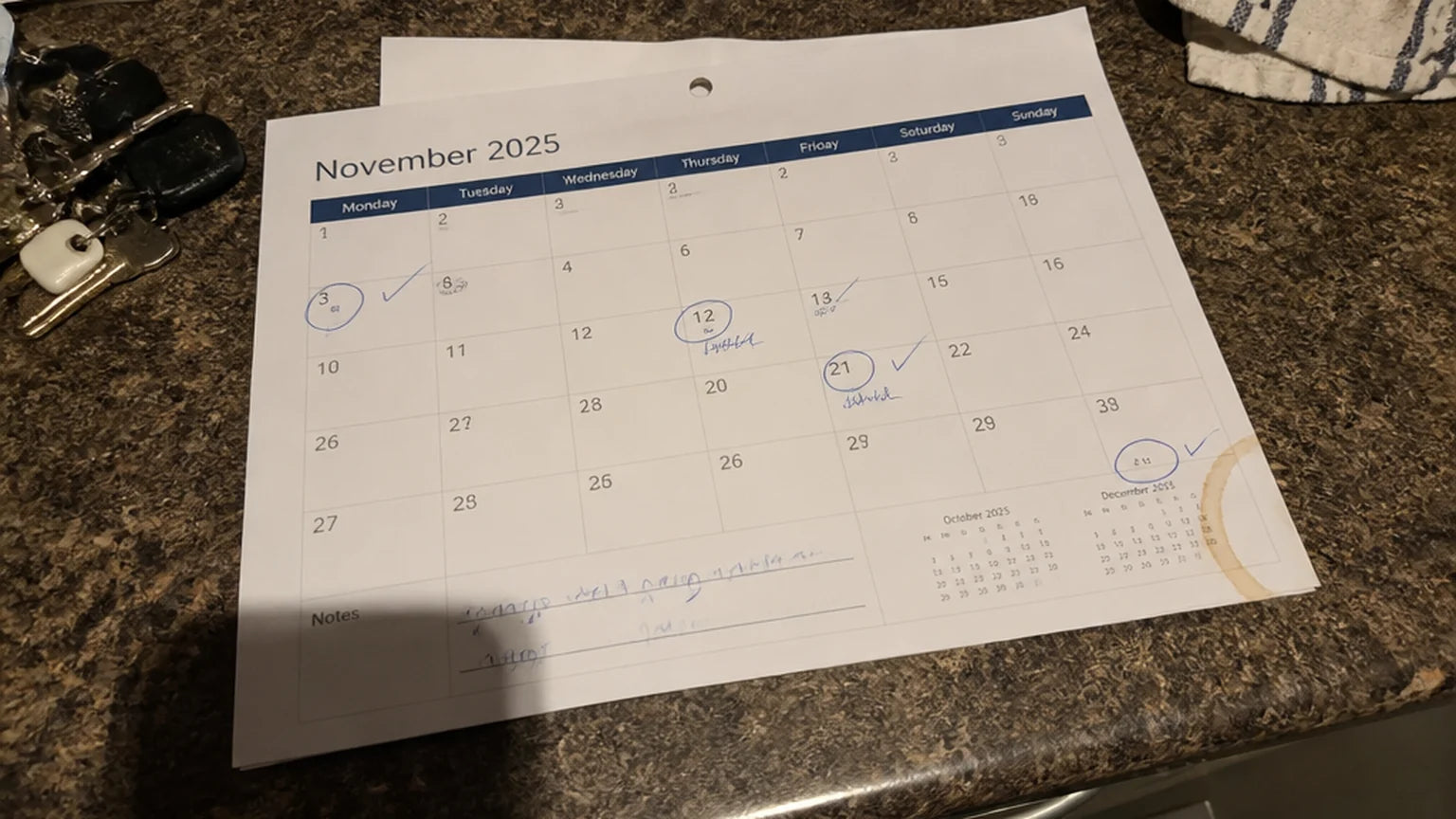
A kitchen-counter calendar with weeks marked off in biro

This is where most people quit.

The supplement bottle says "see results in days."

The reality is that the gut microbiome takes 4 to 8 weeks to meaningfully shift, and the skin takes another 2 to 3 weeks after that to fully calm down.

I almost stopped at day 28. The scratching was maybe 40% better, not the miracle the marketing had implied.

I kept going because the vet told me to. Week 7 was when it actually broke. Week 9 Riley slept through the night for the first time in a year.

Now is when most dog parents give up. Don't.

Get Bio Restore →

Backed by a 30-day risk-free trial, so you can finish the protocol with zero risk.

REASON NINE · THE LONG GAME

Why I won't go back, even when Riley stops scratching

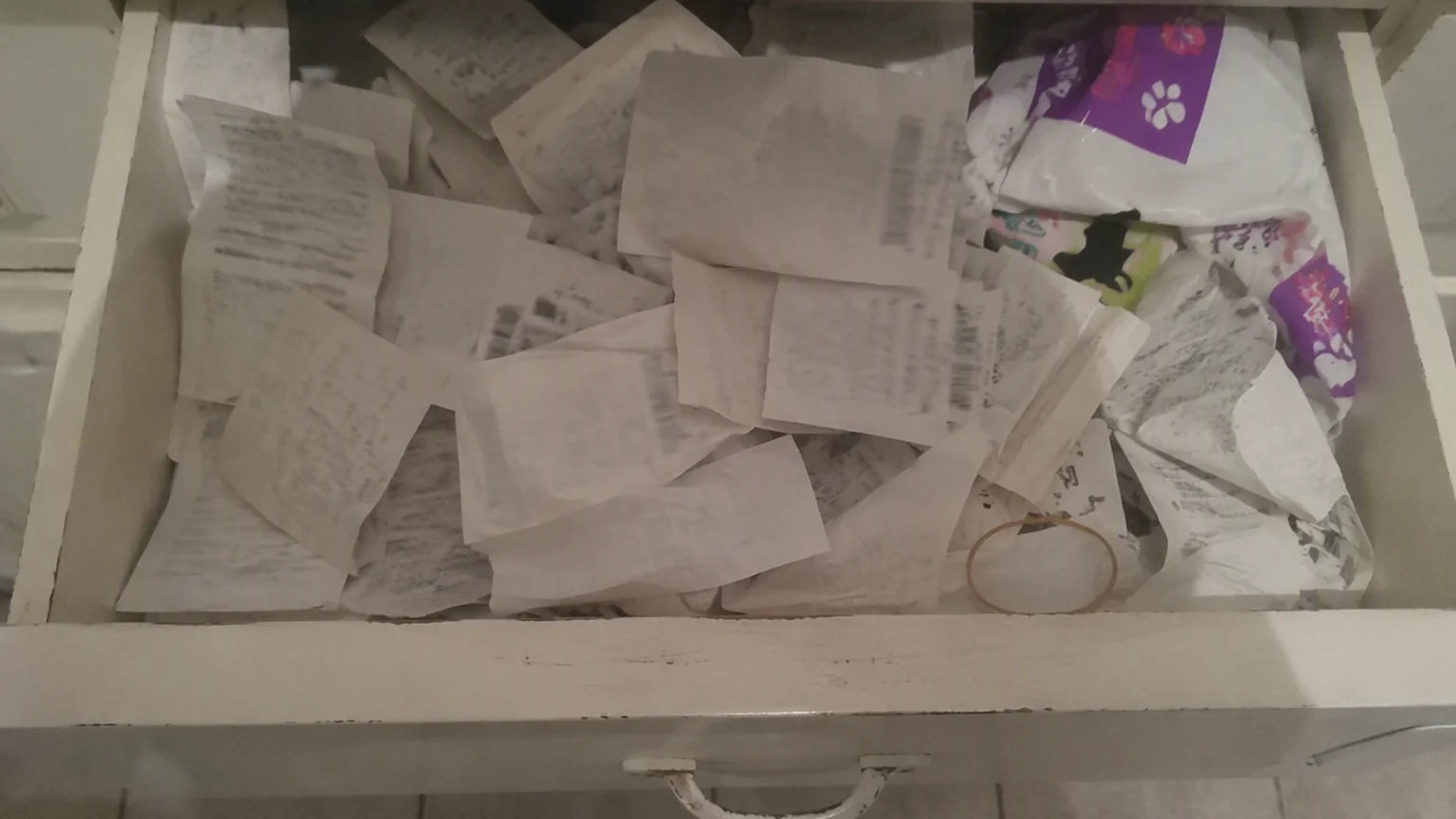
A kitchen drawer filled with crumpled vet and pet-shop receipts

The thing nobody warned me about: every receipt in that drawer turned out to be evidence I was right, not evidence I had been fooled.

Each tub moved a number for a few weeks, which is exactly what one quarter of the job does. I had proved the mechanism four separate times without ever seeing it.

I did not waste eleven months. I bought the answer one piece at a time.

I'm 14 months in. Riley sleeps through the night, his belly is no longer raw, and he stopped licking his front paws around month four.

I still give him one chew a day, because the cost of stopping is higher than the cost of continuing.

RILEY · 90 DAY PROGRESS

Same dog. Same camera angle. 90 days apart.

Riley on day 1 with patchy coat Riley on day 90 with full coat

Tap "Day 90" to toggle. Photos by author.

−92%
night-time scratching (estimated)
0
vet visits in the last 6 months

Ready to try it?

Give your dog the full 90-day itch support routine.

Start with the same daily chew routine built to support gut balance, calmer skin, and a healthier coat from the inside out.

Try Biolgical Today →

30-day risk-free trial · Limited-time savings available